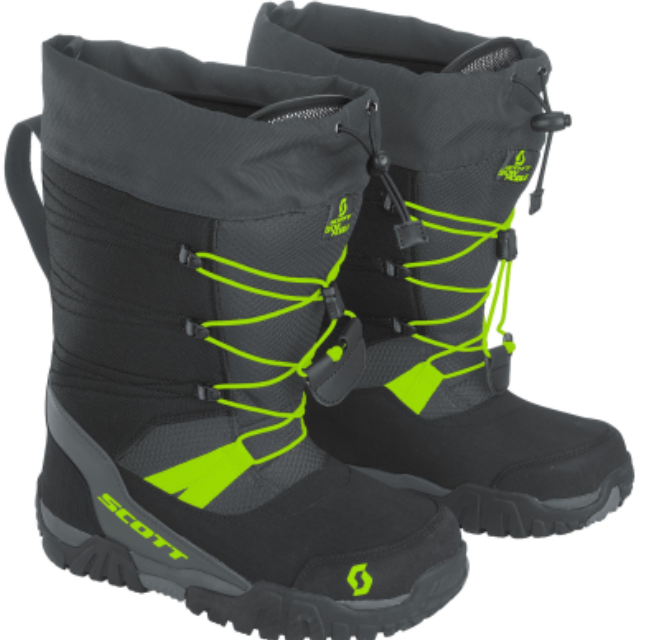
Long winter rides rarely end because riders run out of enthusiasm. They end because feet grow cold, stiff and sore long before the trail does. That quiet discomfort shapes how far anyone travels. Choosing snowmobile boots in Canada with real endurance in mind changes how much of the day stays enjoyable.
The gap between a good ride and a cut-short one often sits at foot level. Cold, damp or poorly supported feet drain focus and turn scenery into a countdown. This is where snowmobile boots in Canada built for full-day use start to matter, since the right pair holds warmth, keeps moisture out and supports the ankle through hours of movement.
Cold Feet Set the Real Limit on Trail Time
Warmth That Slips Away Hour by Hour: Feet lose heat faster than almost any other part of the body during a long ride, because they sit still inside boots while wind and metal pull warmth away. Once that warmth drops, toes stiffen, balance suffers and every stop feels colder than the last. Riders often blame the weather, when the boots were quietly the weak point all along.
Cold That Follows Riders Home: Minor cold or damp at the start of a ride rarely stays minor, since hours of exposure let it settle deeper into muscle and joints. Guides who run long backcountry tours regularly see riders turn back early once the cold reaches their feet, not their bodies. What began as mild numbness can leave toes aching well into the evening.
Steady Warmth Turns Long Rides into Better Days
Steady Heat Where Cold Strikes First: Boots made for full days help the body hold heat at the feet, where cold usually takes hold first. Reliable insulation helps protect a stable core temperature, the internal warmth the body defends before nearly all else, so more energy stays free for handling the machine and reading the trail ahead of you.
Support That Prevents Slow-Building Strain: Comfort over a full day comes from support and fit, not padding alone, because a boot that cradles the ankle reduces the small strains that build hour after hour. Feet that stay stable stay warmer too, since good circulation depends on movement that is free rather than cramped inside a stiff, ill-fitting shell.
Comfort That Keeps Focus on the Trail: When feet feel good, attention stays on the ride rather than the next warm-up stop. That focus matters for safety on unfamiliar trails, where quick reactions depend on a rider who is comfortable rather than distracted by numb toes. Longer, more confident days tend to follow naturally from that single change.
See also: The Role of Organic Pizza Restaurants in Promoting Local Farms
Snowmobile-Specific Boots Compared with General Winter Boots
Where General Winter Boots Fall Short: General winter boots handle short walks well but rarely cope with hours of wind, vibration and moisture on a sled. In sustained cold the body triggers peripheral vasoconstriction, narrowing blood vessels in the hands and feet to protect the core, which makes weak insulation and poor sealing far more noticeable during long rides.
When Dedicated Boots Earn Their Place: Dedicated snowmobile boots in Canada earn their place once rides stretch past an hour or two, since that is when warmth, grip and support are tested hardest. For short errands around town, general boots may be enough. For full days on the trail, purpose-built pairs remove a variable that often decides how the day ends.
Well-Made Boots Protect Both Feet and Budget
Durability Measured in Seasons: Quality snowmobile boots in Canada are built to survive repeated freezing, flexing and drying without breaking down, which is why a well-chosen pair often lasts several winters. Cheaper boots may cost less at first, though cracked shells and flattened liners tend to force replacements sooner and leave feet exposed at the worst moments.
Real Savings Hidden in Fewer Replacements: The real return on good boots shows up in avoided problems, from cold-related discomfort to shortened trips and early replacements. Feet that stay warm and supported let riders plan longer routes with more confidence and less hesitation. Over several seasons, that steady reliability usually costs far less than a string of cheaper pairs bought, worn hard and quietly discarded.
What Long-Day Riders Should Look for in a Boot
Features That Set All-Day Boots Apart: The best snowmobile boots in Canada share a handful of traits that hold up across a full day of riding. Knowing what to check makes the difference between a pair that supports the whole trip and one that quietly works against it. A few features matter far more than price alone.
- Insulation rated for the coldest conditions you actually ride in, not just average winter days.
- A waterproof yet breathable construction that keeps slush out while letting sweat escape.
- Ankle support firm enough to steady your footing without limiting natural movement.
- Liners that can be removed and dried, since damp insulation loses much of its warmth.
- Outsoles with deep grip for icy footpegs, loading ramps and slippery trailside stops.
Fit Checks before the First Long Ride: Fit reveals itself over distance, not in a quick try-on, so it helps to wear new boots indoors for a while before committing to a full day. Toes should move freely, the heel should stay put, and thick socks should still leave room. Small checks now prevent long, cold regrets later.
Longer Days on the Trail Start from the Feet Up
The difference between a good winter and a frustrating one often comes down to whether feet stay warm long enough to keep going. Riders who sort this out early spend their days exploring new trails rather than enduring the cold. Those who put it off tend to lose the best rides of the season to numb feet and cut-short afternoons.
Warmer feet, steadier footing and longer rides all trace back to one decision made before the snow settles in. There is time to get it right, but only if it happens before the season fills up. Speak with a snowmobile gear specialist about boots suited to your rides, and step into winter ready for the long days ahead.